
Zoning reform does not build a house
A new Wisconsin study that includes Merrill shows why flexible rules matter—and why prepared land, financing, developer capacity and a real buyer price still decide whether homes get built.
Read the story →
Northwoods housing notes
Plainspoken analysis of Oneida County housing, Wisconsin programs, financing, construction and the decisions that determine what gets built.
A new Wisconsin study that includes Merrill shows why flexible rules matter—and why prepared land, financing, developer capacity and a real buyer price still decide whether homes get built.
Read the story →
A permanent manufactured-home installation starts with the home’s approved support and anchoring plan, then adds Wisconsin frost protection, drainage, utilities and site-specific engineering.
Read the story →
Act 235 can reimburse infrastructure for compact, owner-occupied neighborhoods. The opportunity is real—but it is not a grant, and affordability is not automatic.
Read the story →
A parcel is not a buildable homesite simply because it is for sale. Septic suitability, a well, wetlands, access, setbacks and utilities can change the real cost before the house arrives.
Read the story →
WHEDA is set to consider new infrastructure awards and a single-family housing product on August 5. For Northwoods communities, the details show what it takes to turn housing need into buildable lots.
Read the story →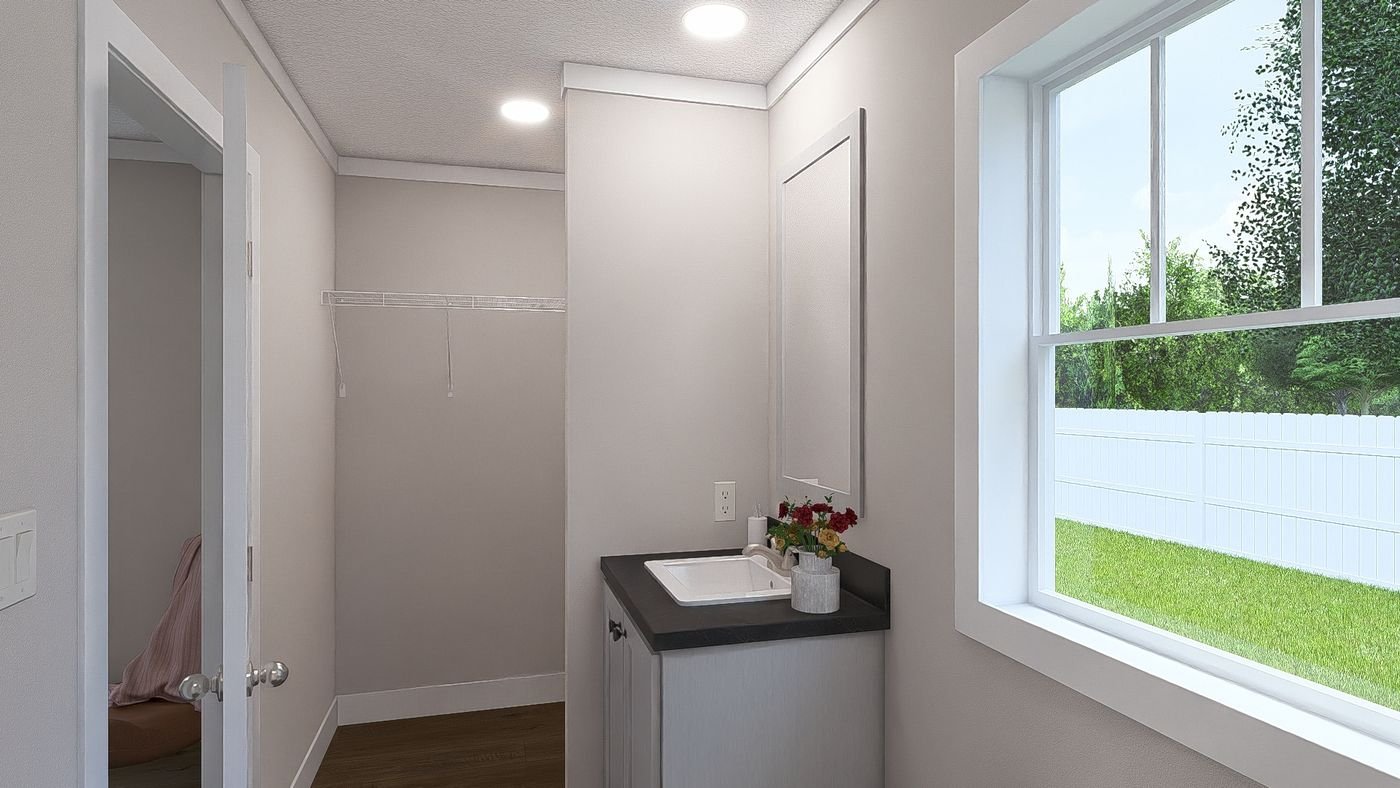
County supervisors are discussing support for municipal housing development and infrastructure as part of the county’s priorities for the next two years.
Read the story →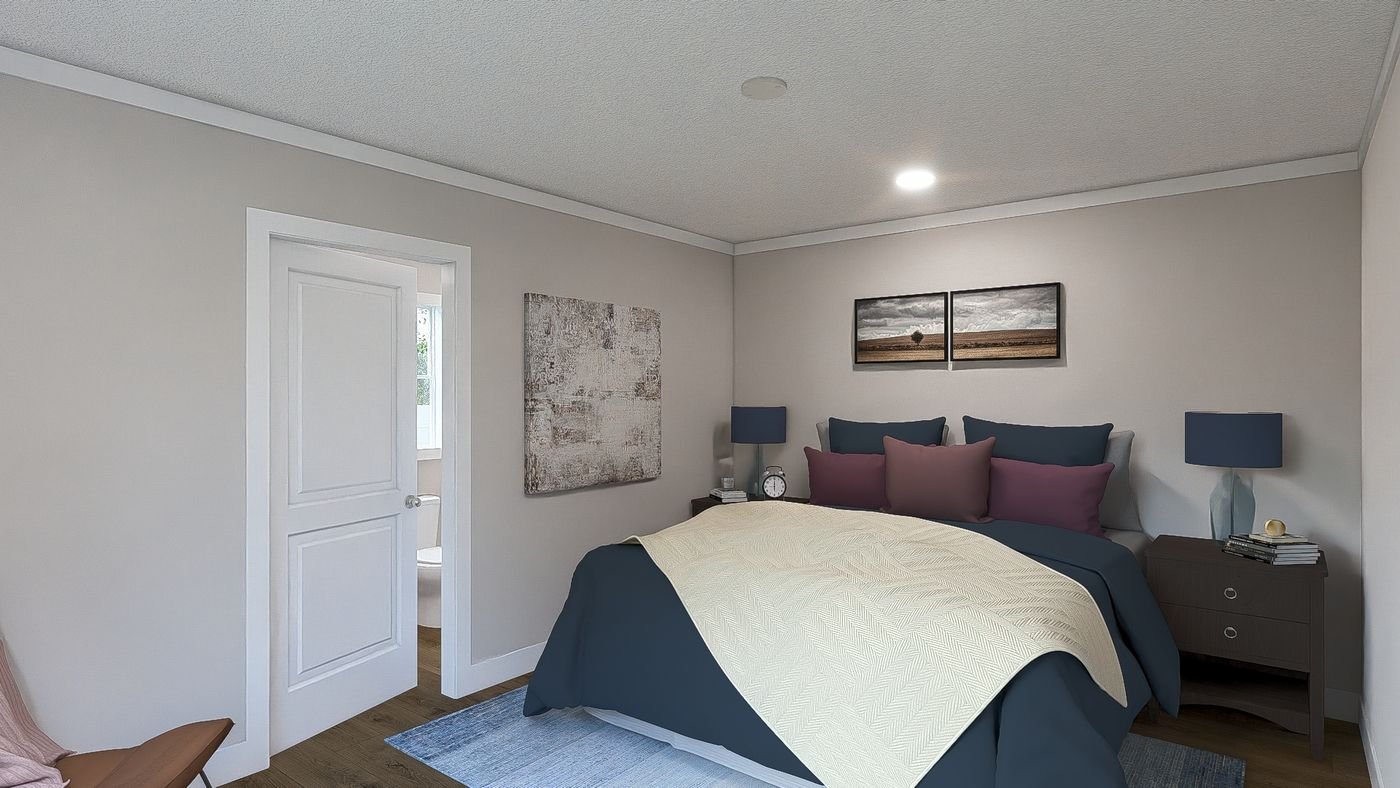
Wisconsin’s homebuyer programs recognize eligible double-wide manufactured homes, but the home, land, installation and loan still have to work together.
Read the story →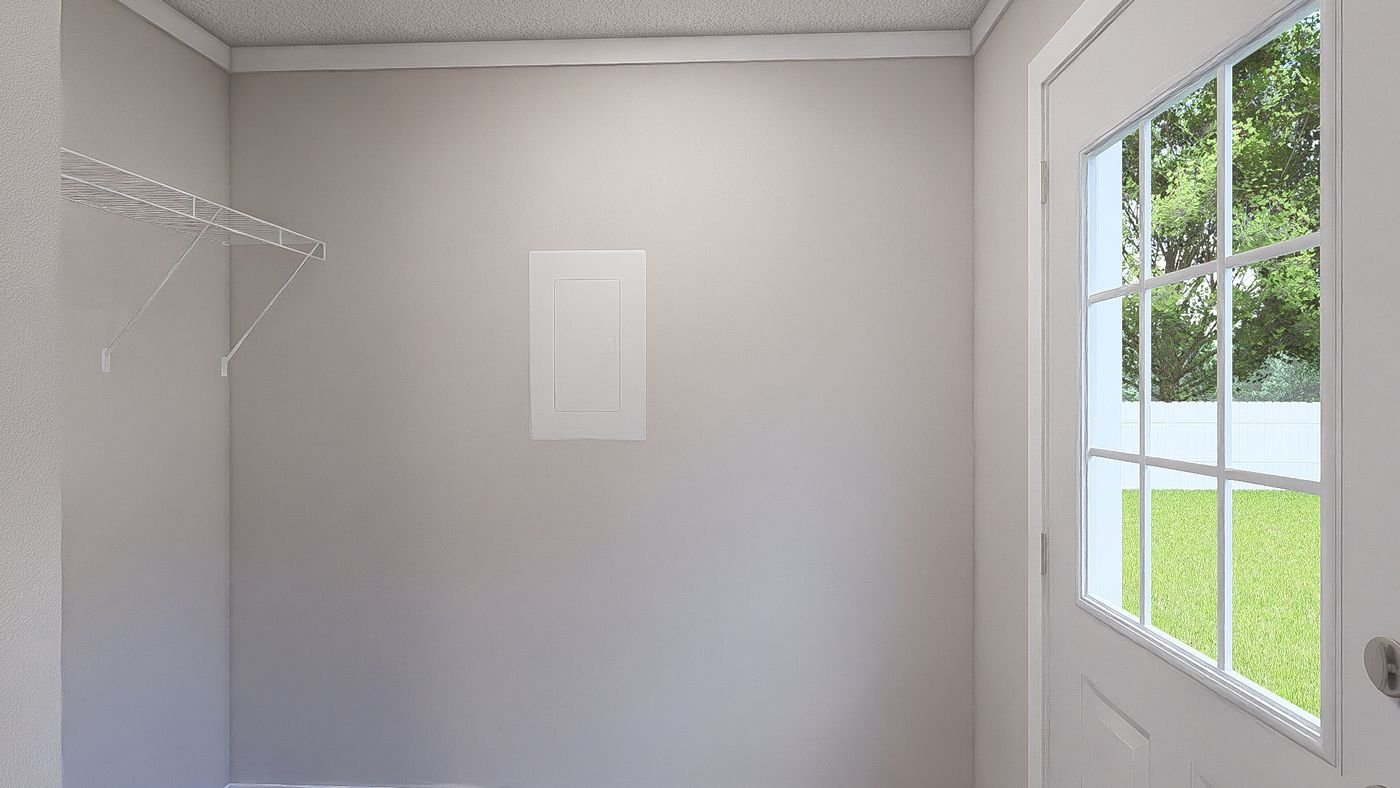
A proposed federal rule would remove the permanent-chassis requirement from upper-floor sections, opening more room for efficient two-story home designs.
Read the story →
Tony Pharo called housing the region’s leading economic constraint as the plan commission considered new residential land.
Read the story →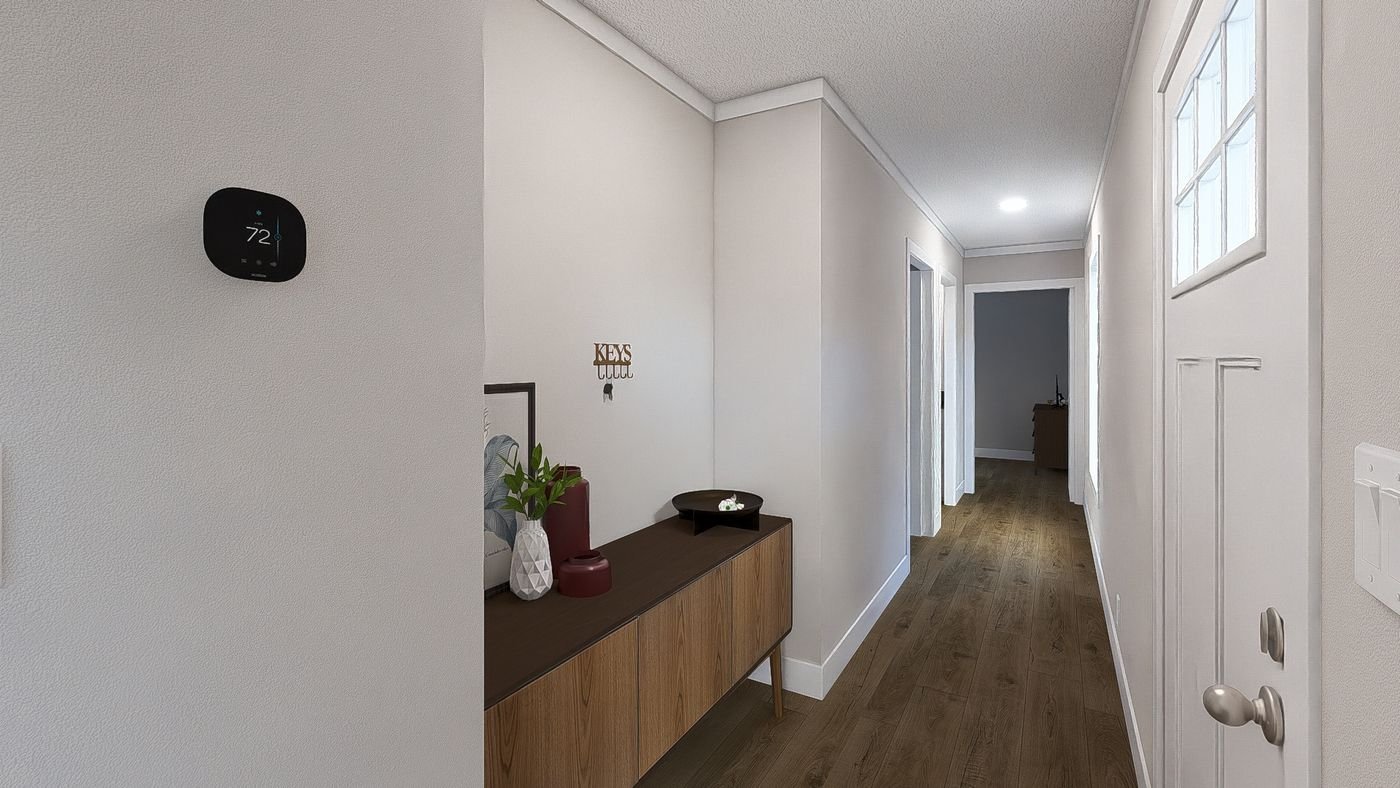
The case has been made. The useful work now is specific: identify buildable sites, target real monthly payments and complete an early project others can follow.
Read the story →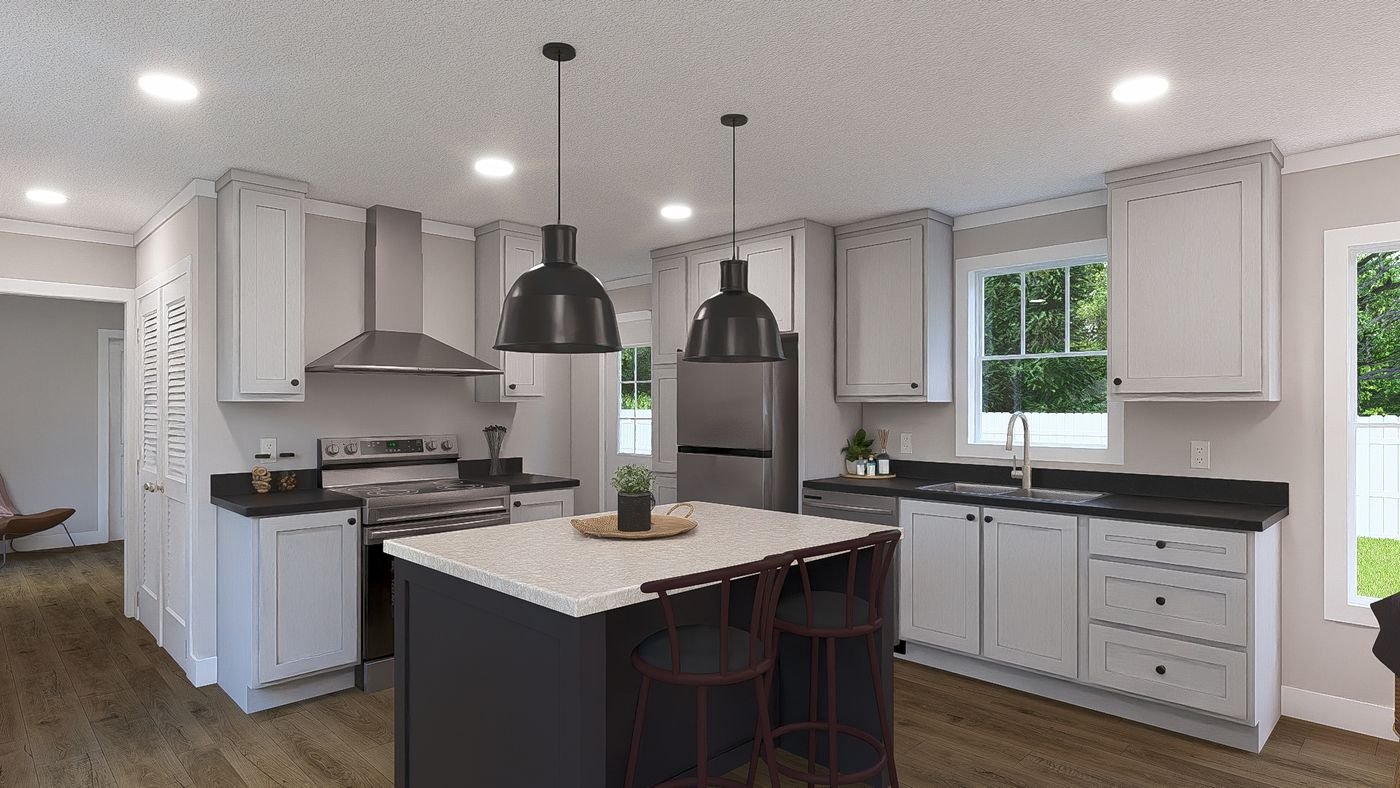
The agreement moved another housing project from broad support toward defined responsibilities and execution.
Read the story →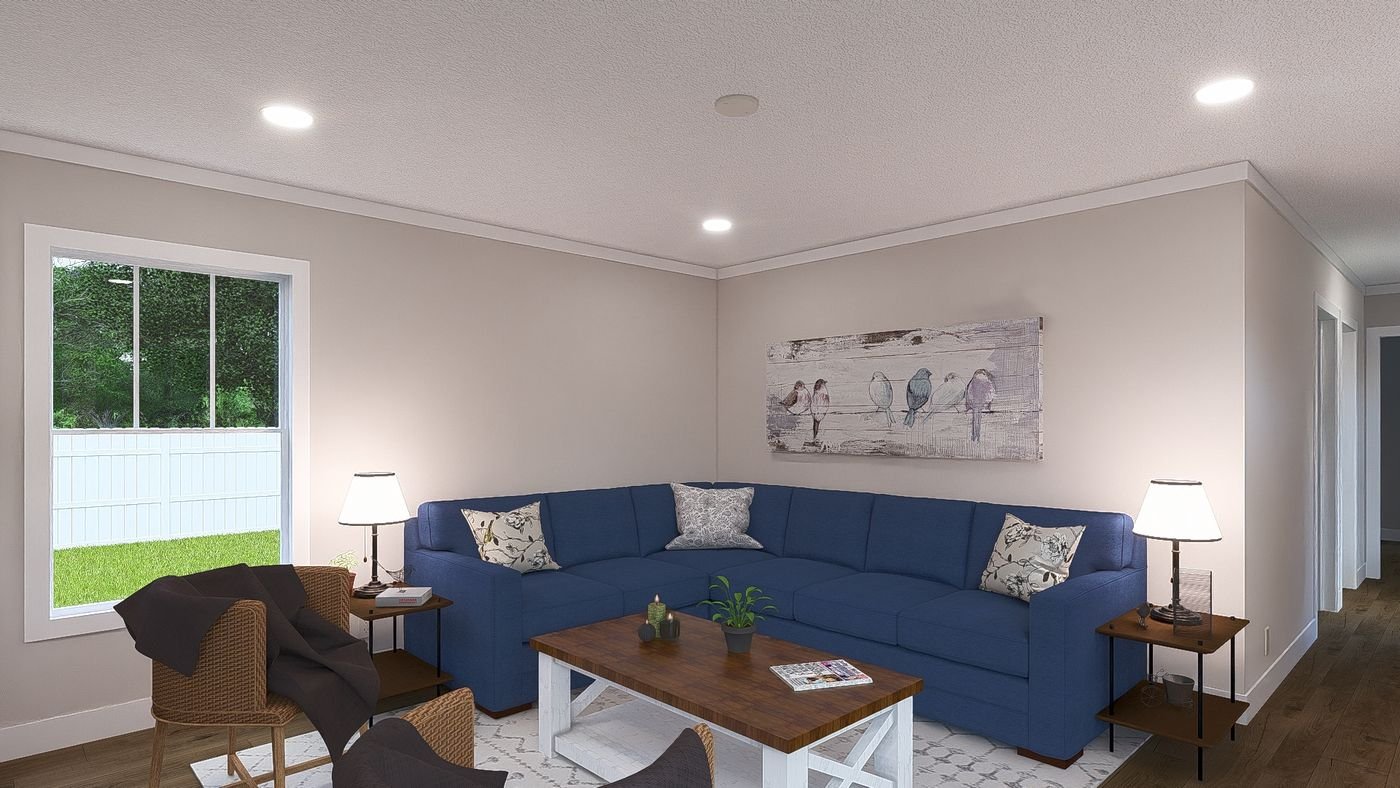
Tony Pharo explained why even low-interest infrastructure debt can add an unaffordable amount to every home.
Read the story →
The council decision sent a signal about whether new housing proposals can move through the local process.
Read the story →
Not a slogan. A complete budget, early site work, sensible financing and fewer surprises between choosing a plan and getting the keys.
Read the story →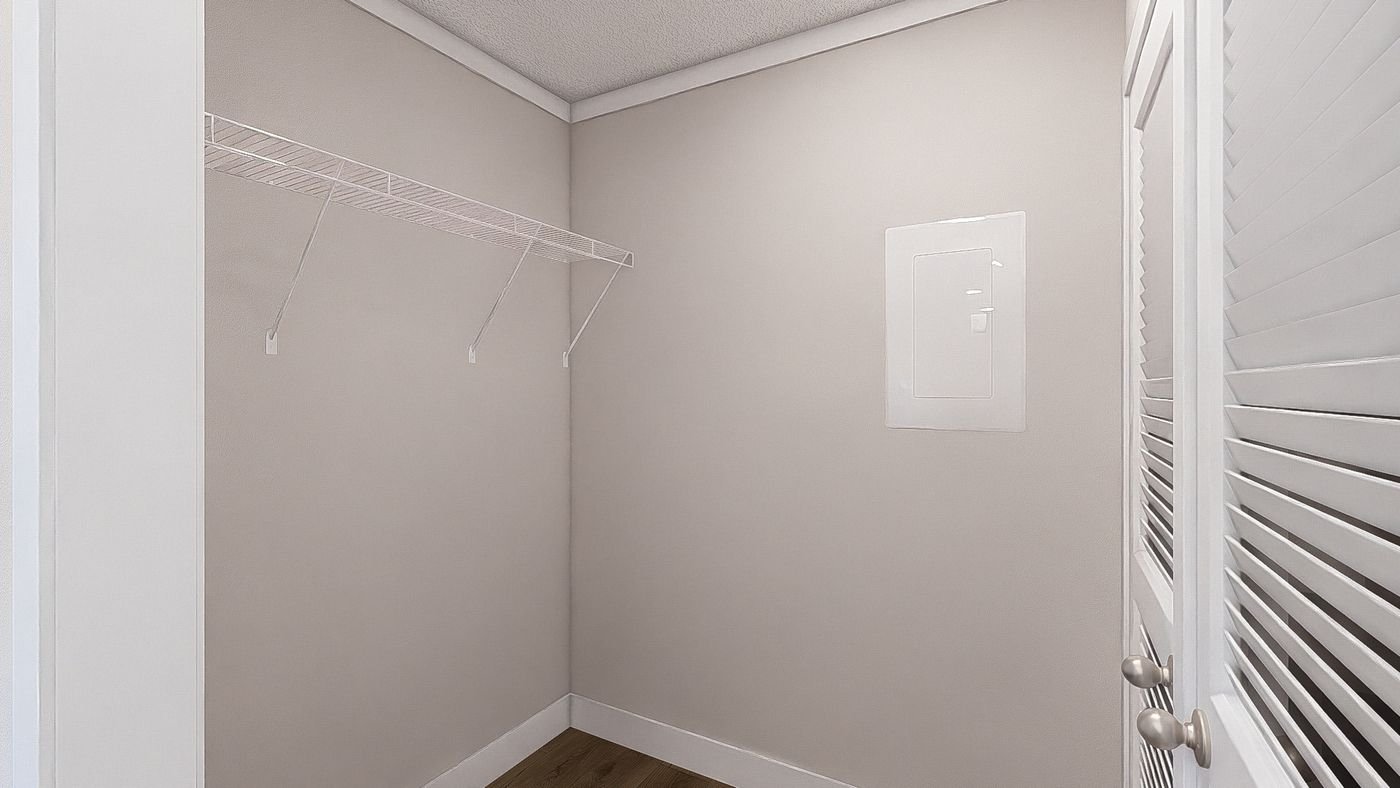
A town can say it wants attainable homes while minimum sizes, wide lots and cosmetic requirements make those homes impossible to build.
Read the story →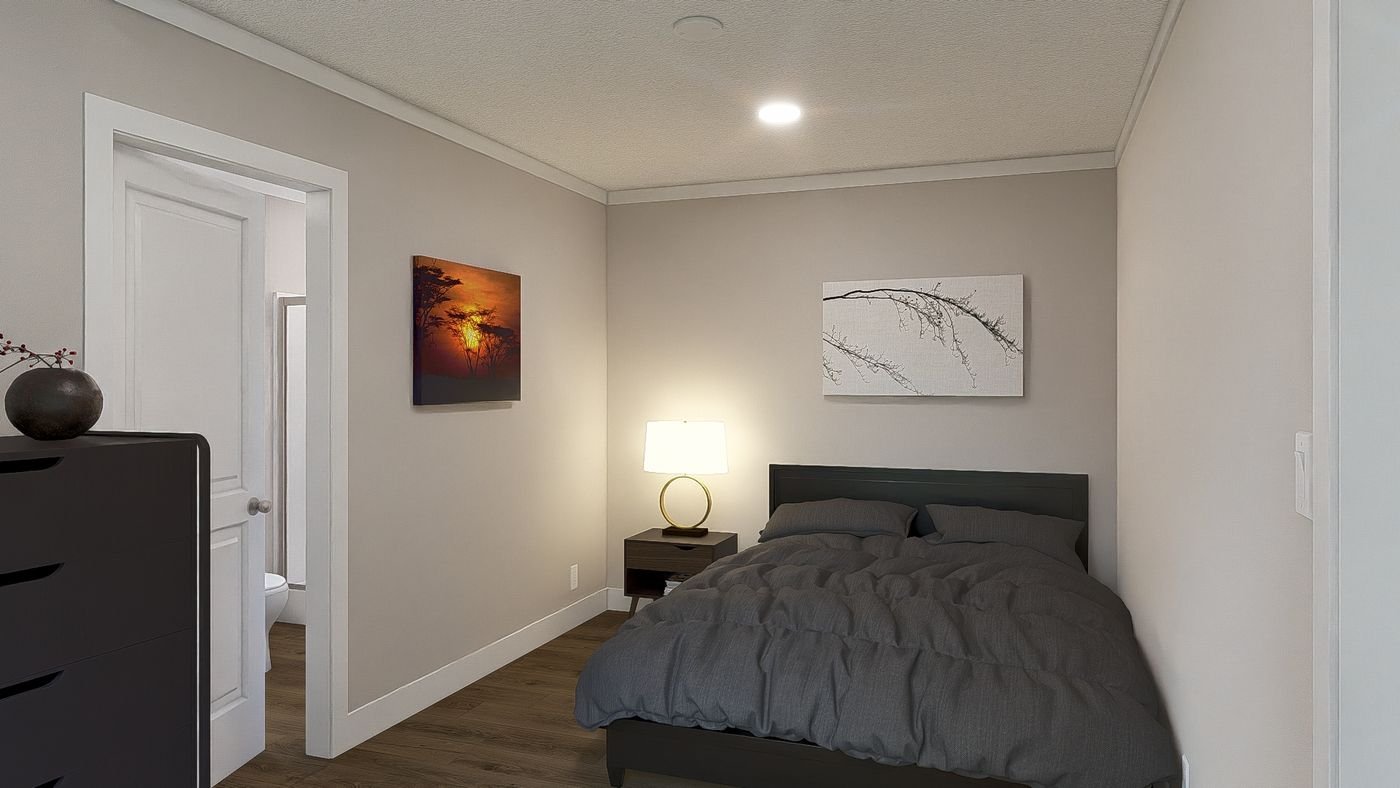
Federal programs increasingly recognize factory-built homes as part of the supply answer, although the fine print still determines whether a buyer can use them.
Read the story →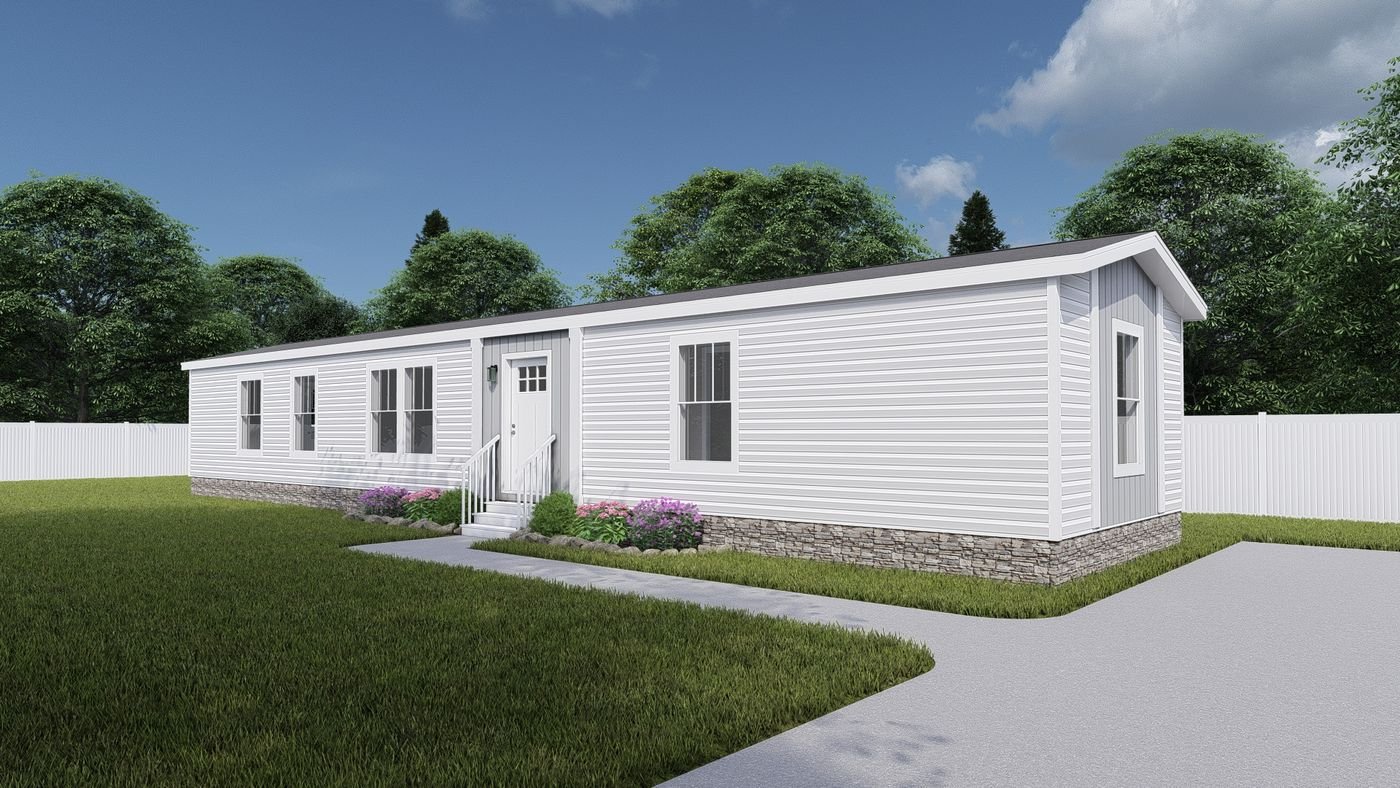
Many older residents are not trying to leave the Northwoods. They are trying to find a manageable home that lets them remain here.
Read the story →
A lower purchase price is not much help if a Northern Wisconsin winter turns the heating bill into a second mortgage payment.
Read the story →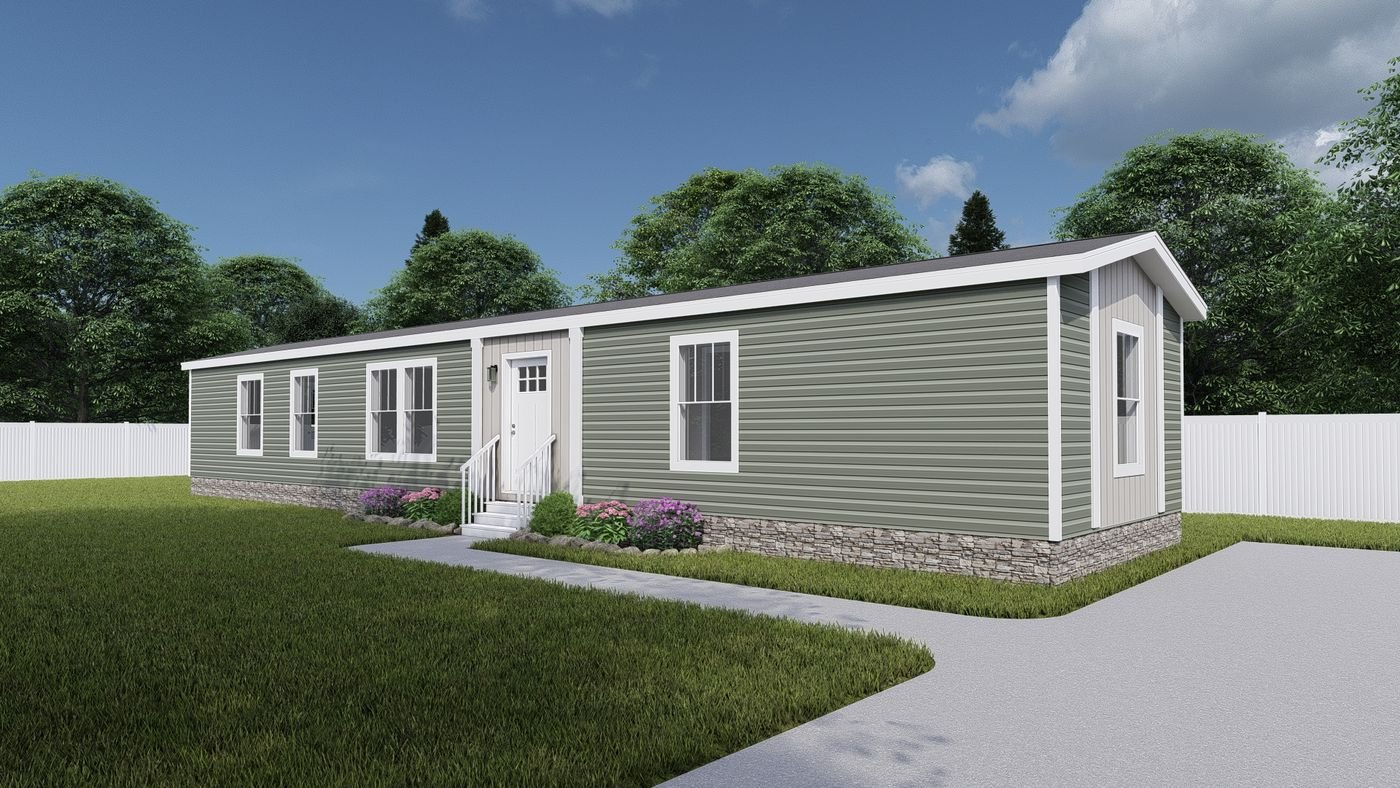
Cutting wasted hallways is not the same as cutting daily comfort. A thoughtful plan protects the rooms and storage people actually use.
Read the story →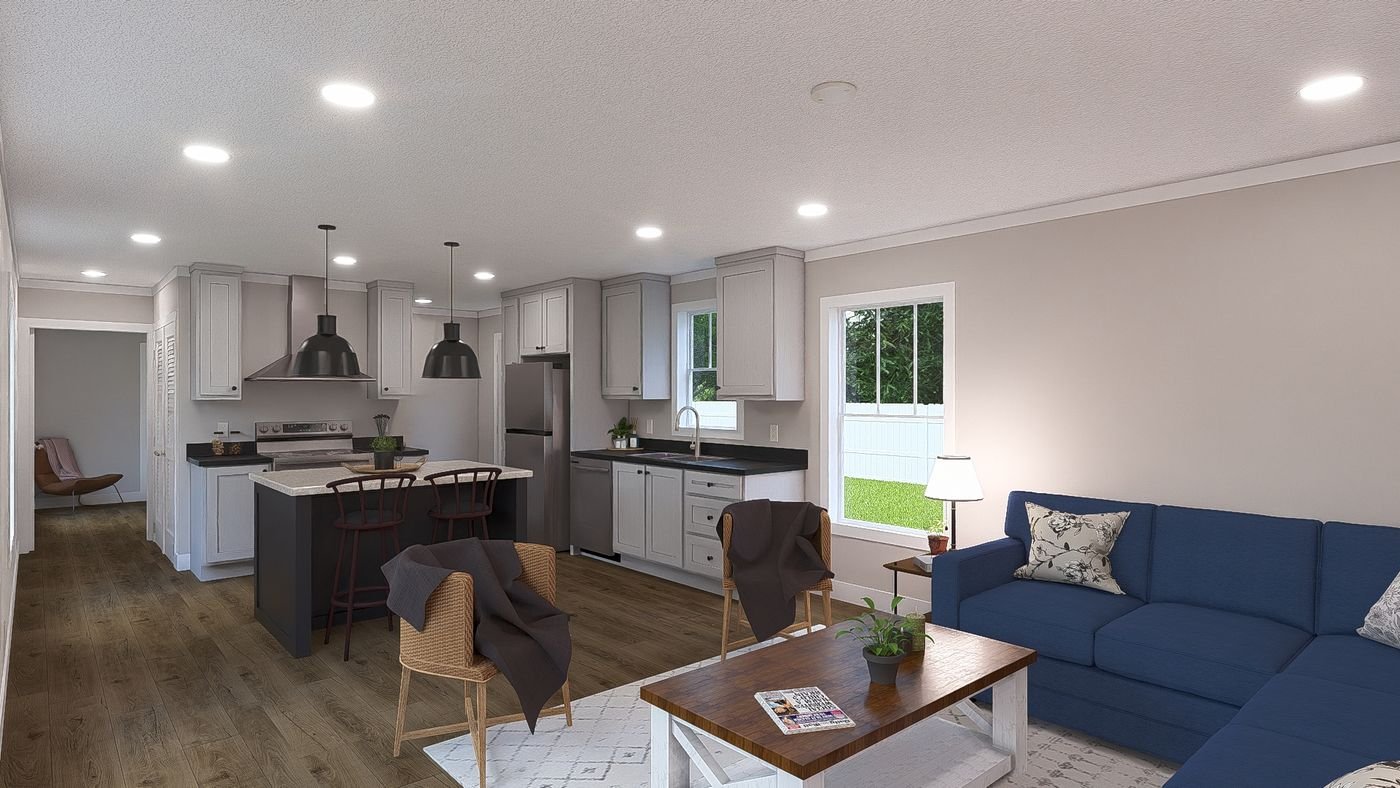
A proposal involving roughly five acres reached residential zoning but stopped at the county sale—a useful case study in land, public trust and housing approvals.
Read the story →
WHEDA’s infrastructure financing goes after the unglamorous costs that can decide whether a workforce-housing project gets built at all.
Read the story →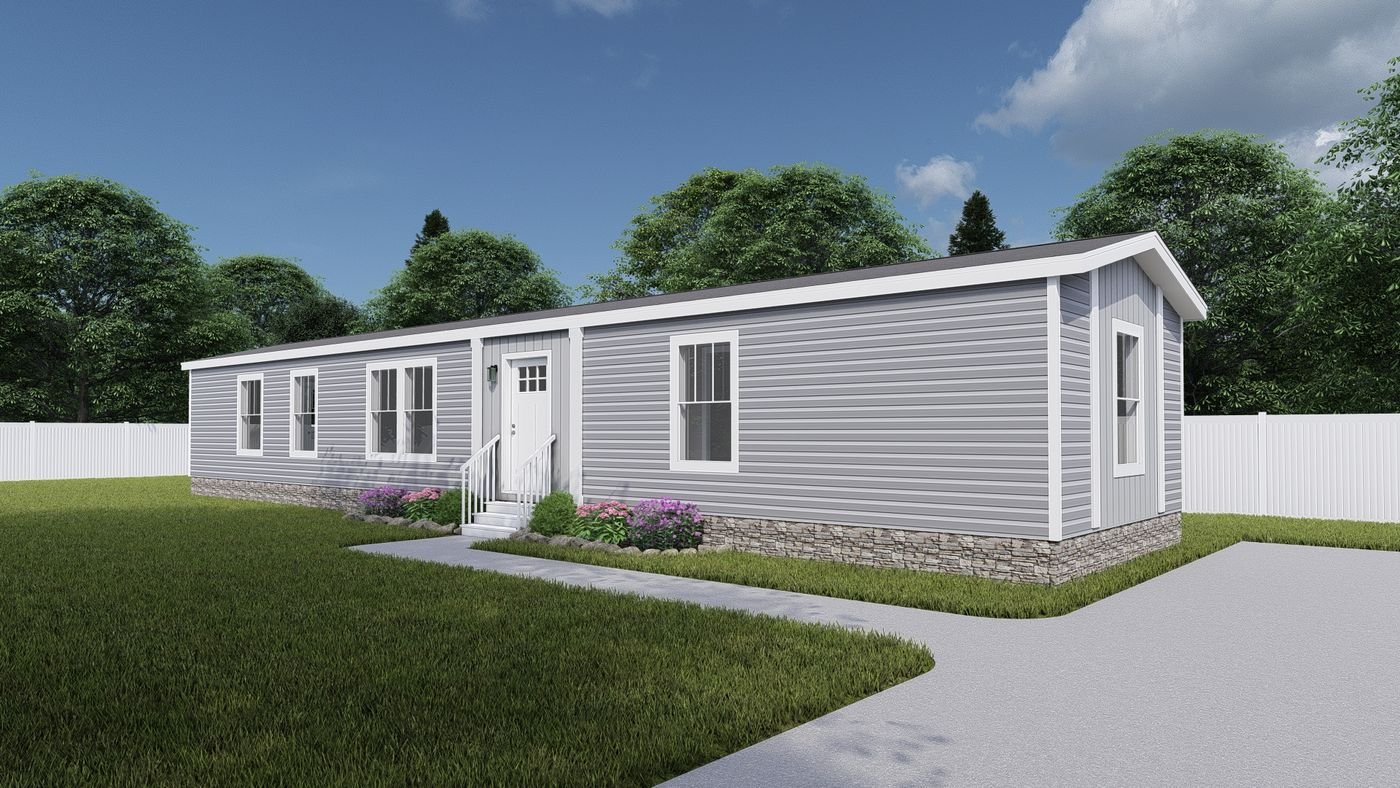
The number that matters includes the foundation, the driveway, the utilities and the ground underneath it—not just the house leaving the factory.
Read the story →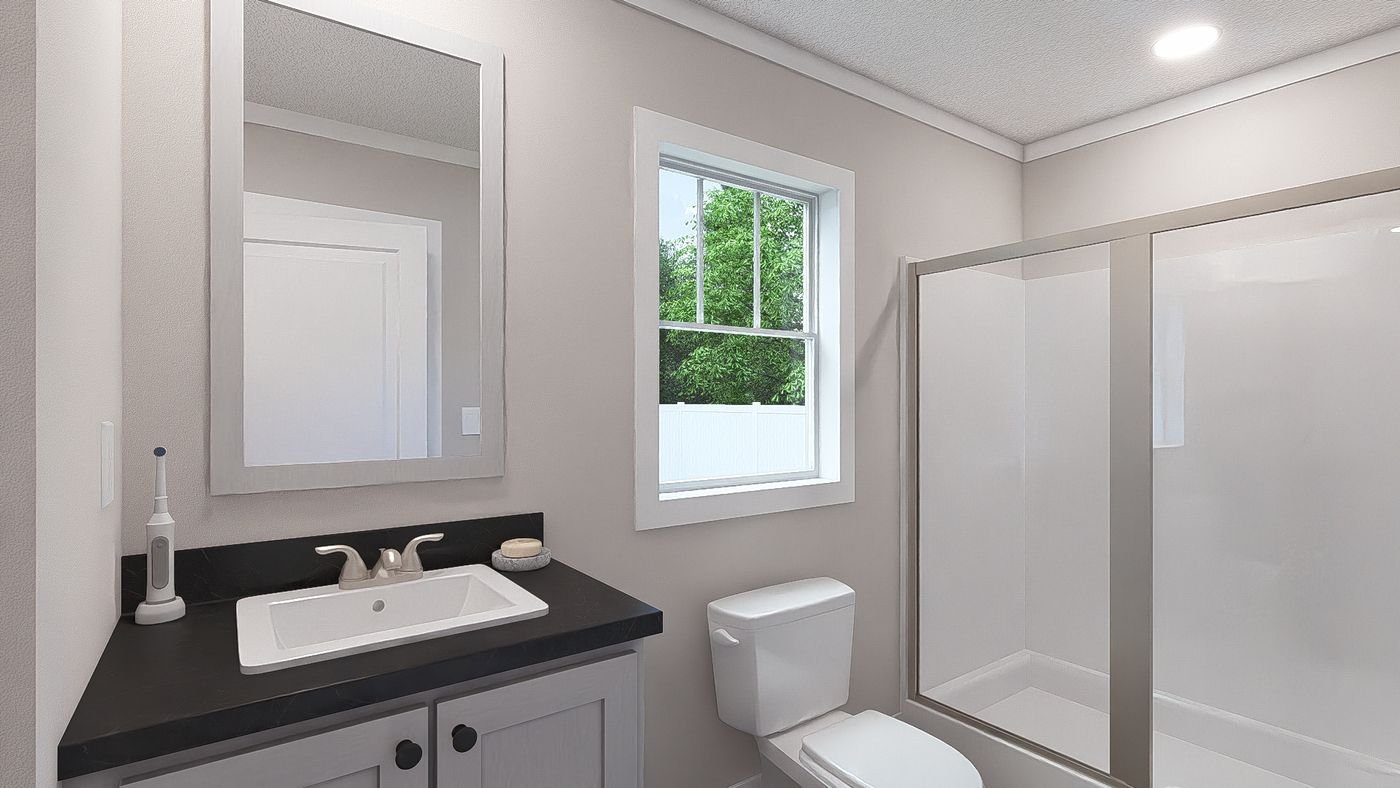
The useful idea is simple: combine factory efficiency with the design, installation and financing expectations of conventional homeownership.
Read the story →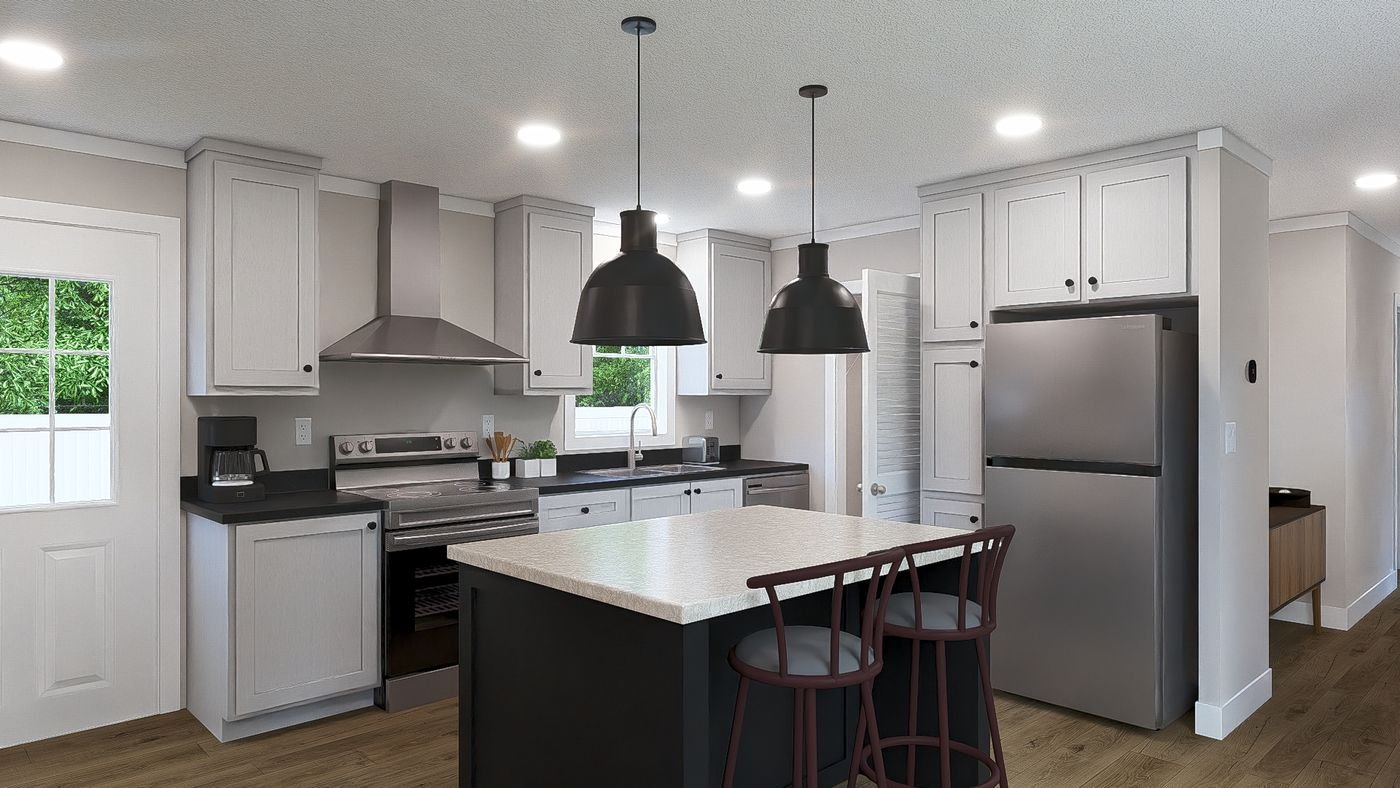
It is a construction standard, not a description of a neighborhood or a prediction about what a home will look like.
Read the story →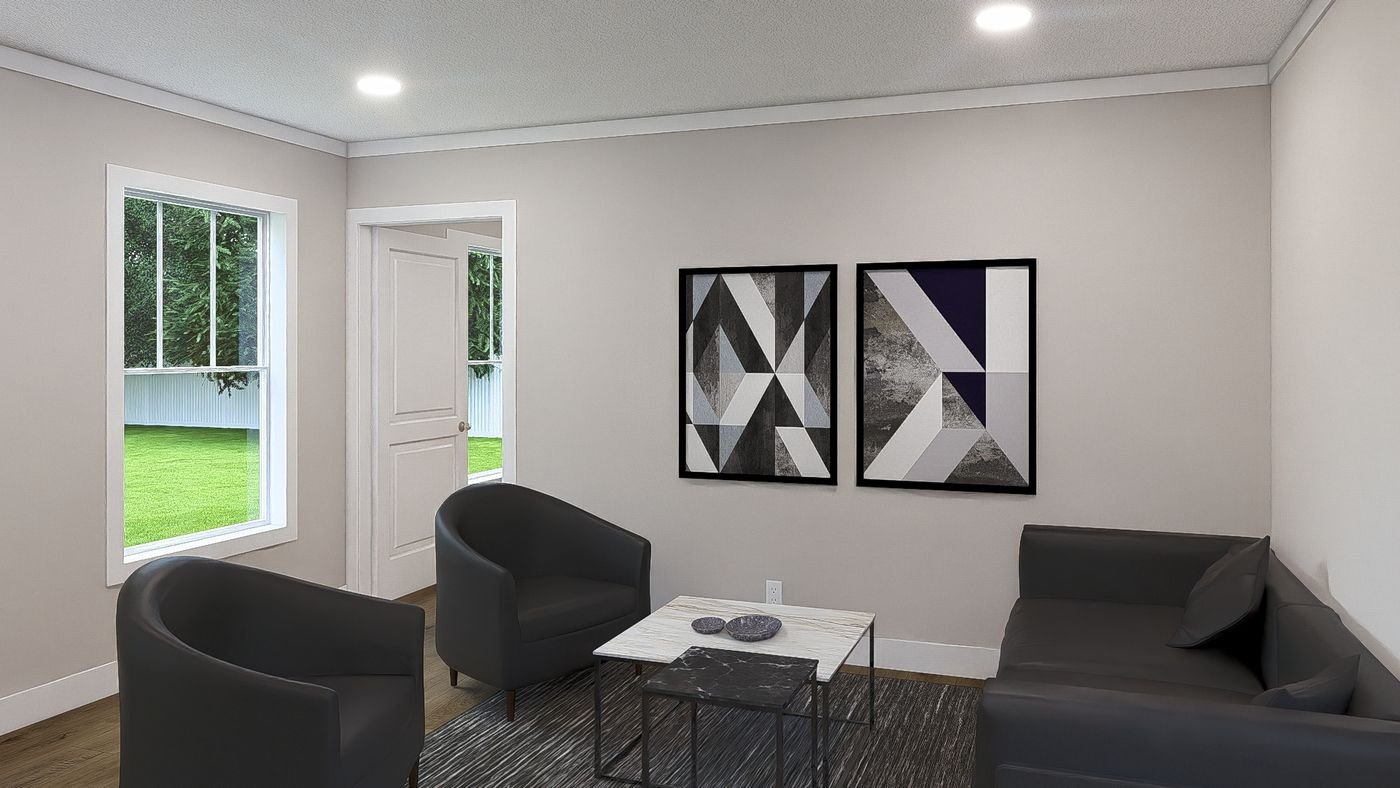
The home is built indoors. The neighborhood, foundation and responsibilities are every bit as permanent as any other house.
Read the story →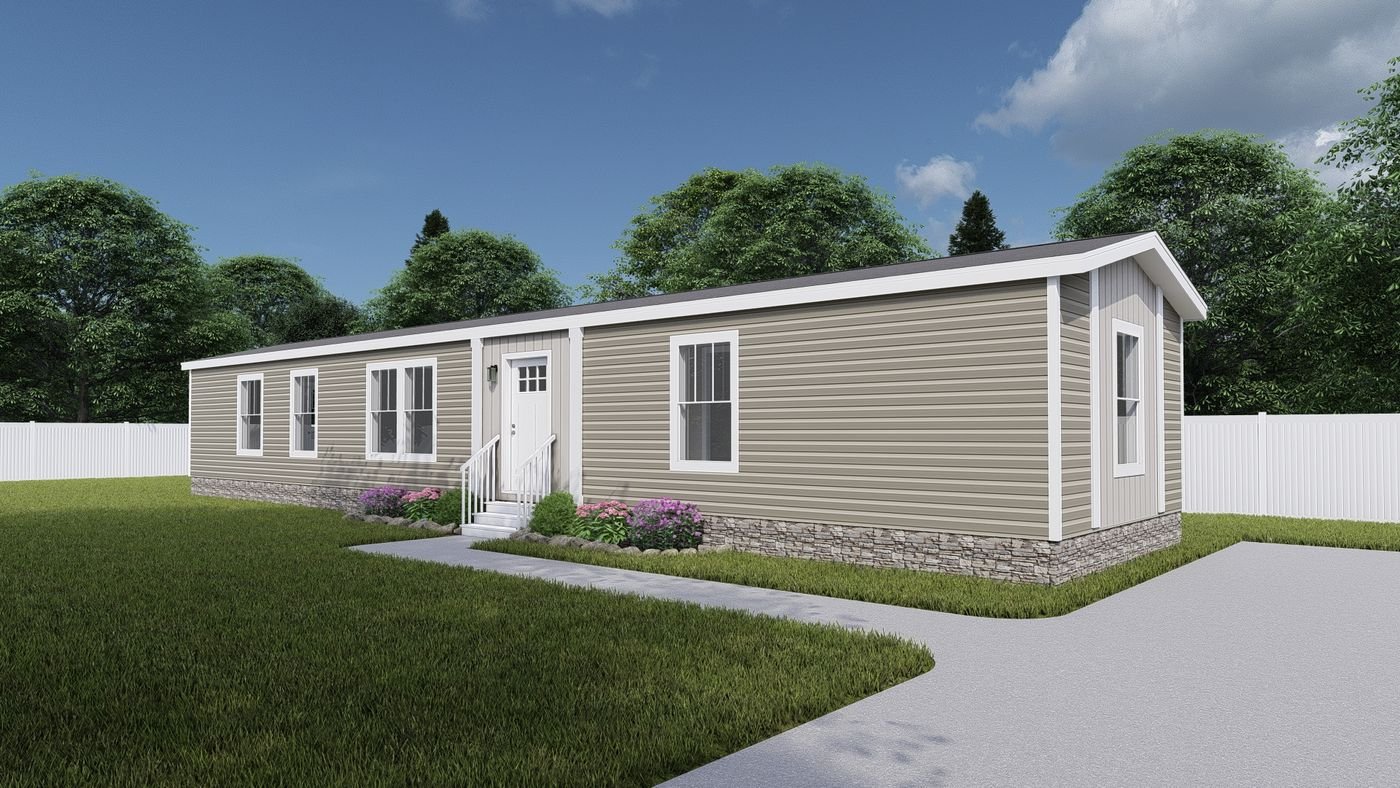
Around here, a job offer can fall apart over a forty-mile commute. That makes housing every bit as important as roads, broadband and industrial space.
Read the story →
The report puts data behind something people here already feel: the available homes do not match the people who live and work in the Northwoods.
Read the story →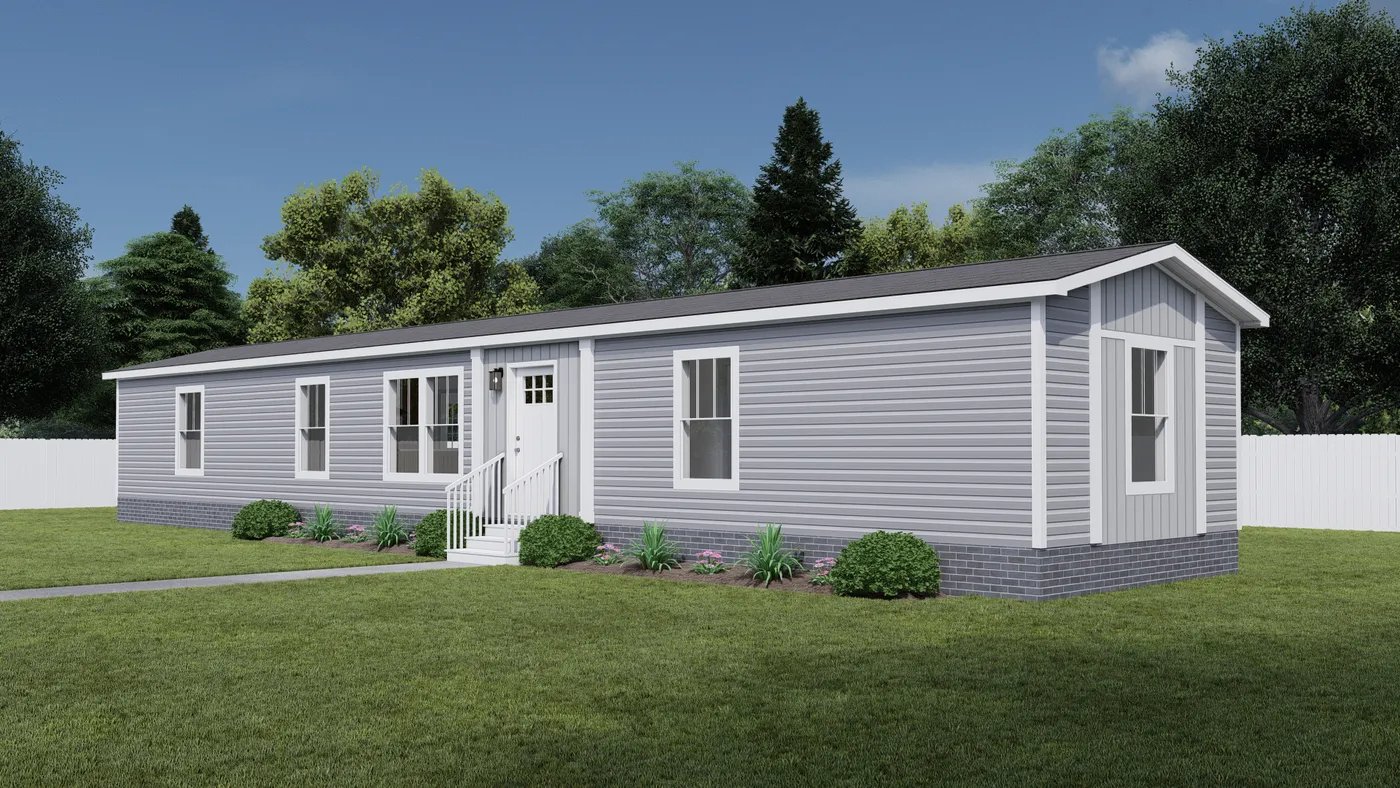
A sharp drop in single-family permits is a warning sign for a county already balancing permanent residents, seasonal demand and high land costs.
Read the story →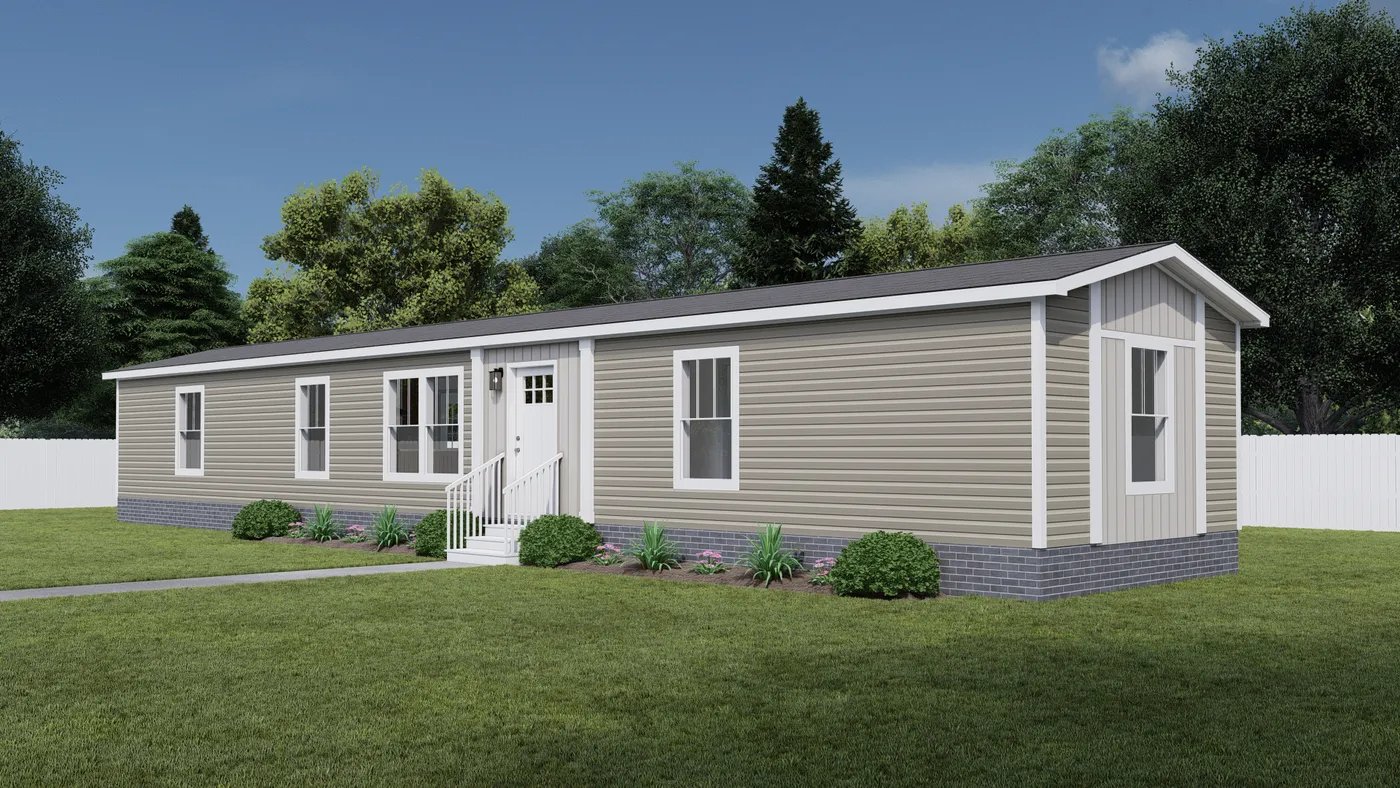
The Centergy housing study connects attainable single-family construction with compact sites near jobs, utilities and existing community services.
Read the story →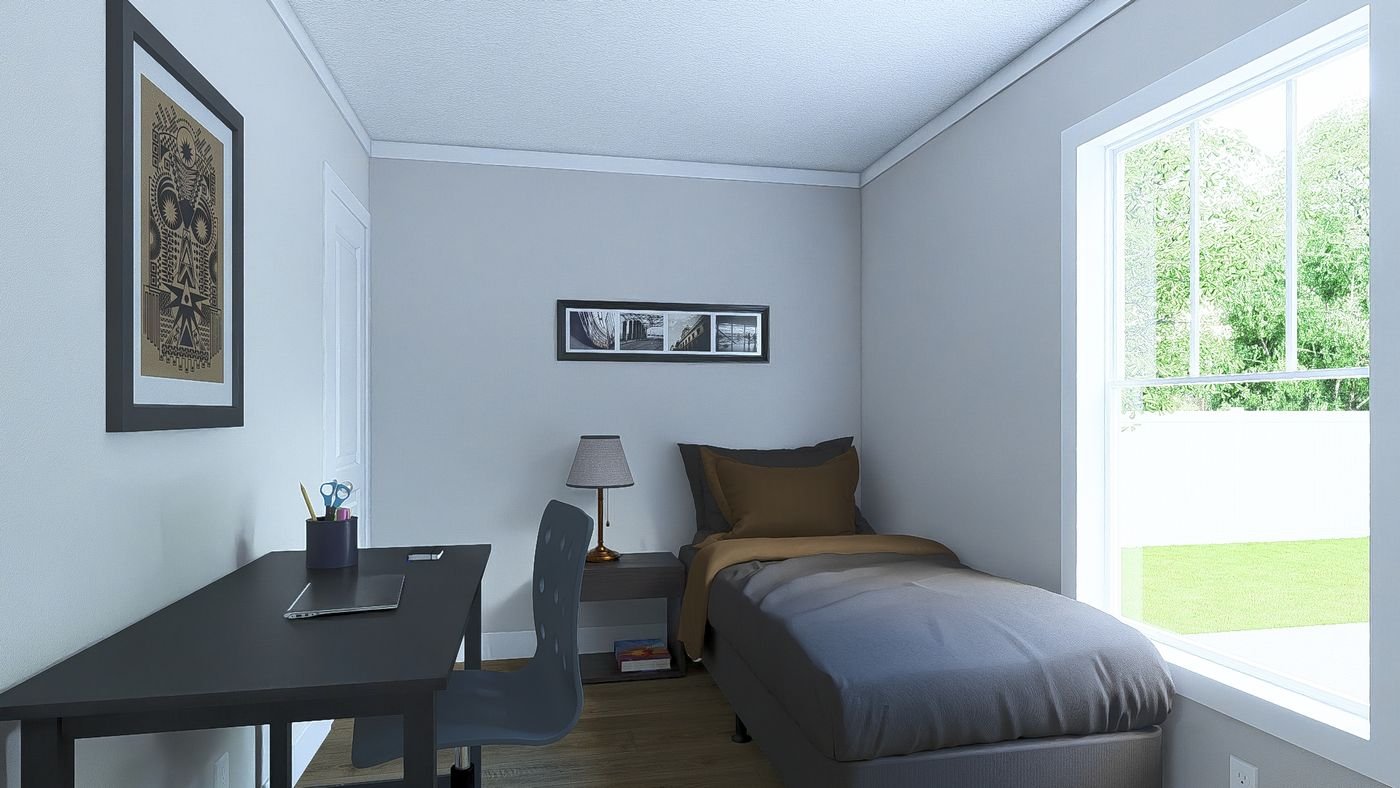
Oneida County’s completed study quantified a shortage large enough to affect nearly every employer and community.
Read the story →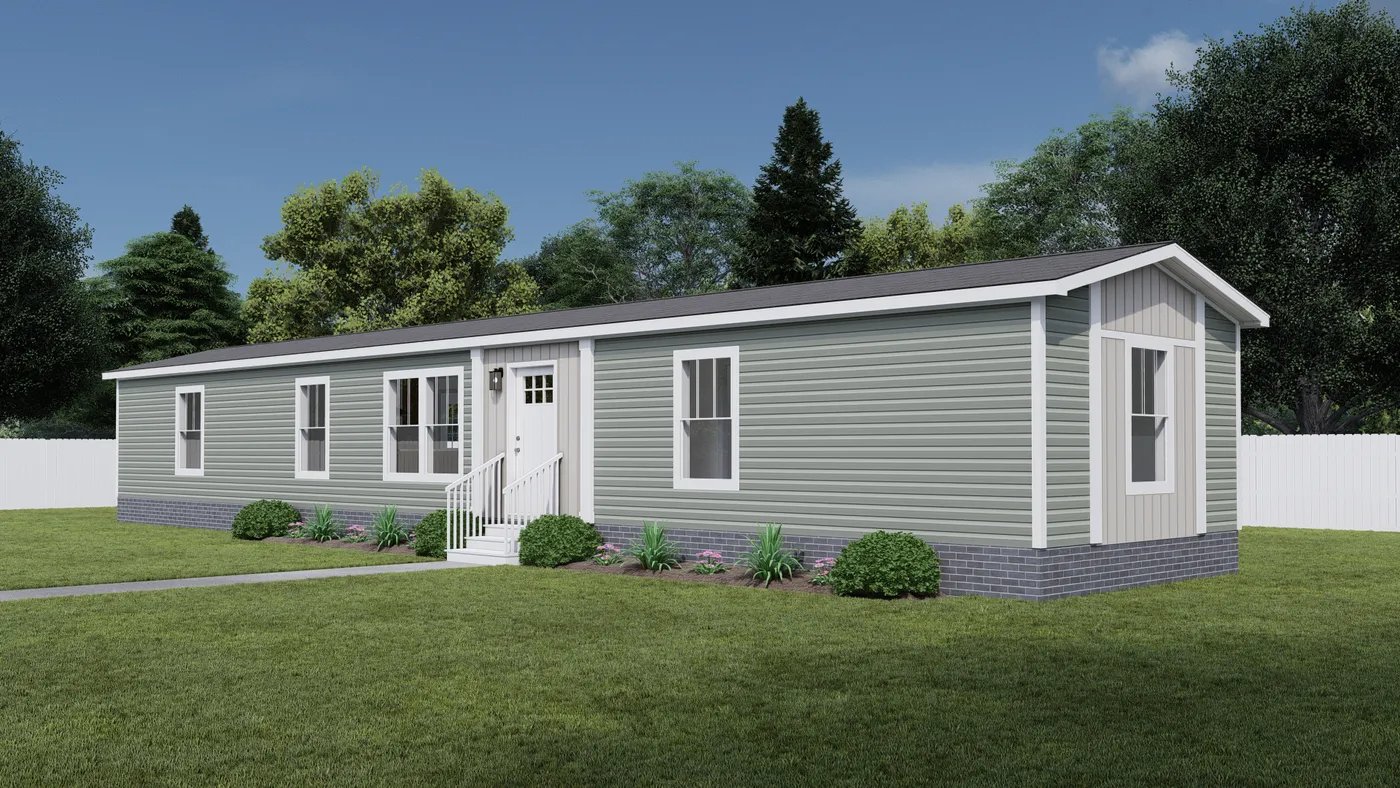
The county’s 2030 forecast shows that owner housing remains central to the workforce equation, even in a market where single-family homes already dominate the inventory.
Read the story →
The study set out to replace assumptions with market data developers could use.
Read the story →
Employers were describing the same problem everywhere Tony Pharo went: jobs were available, but homes were not.
Read the story →
A 240-acre Crandon-area development began releasing wooded homesites in a county where new residential supply has been difficult to create.
Read the story →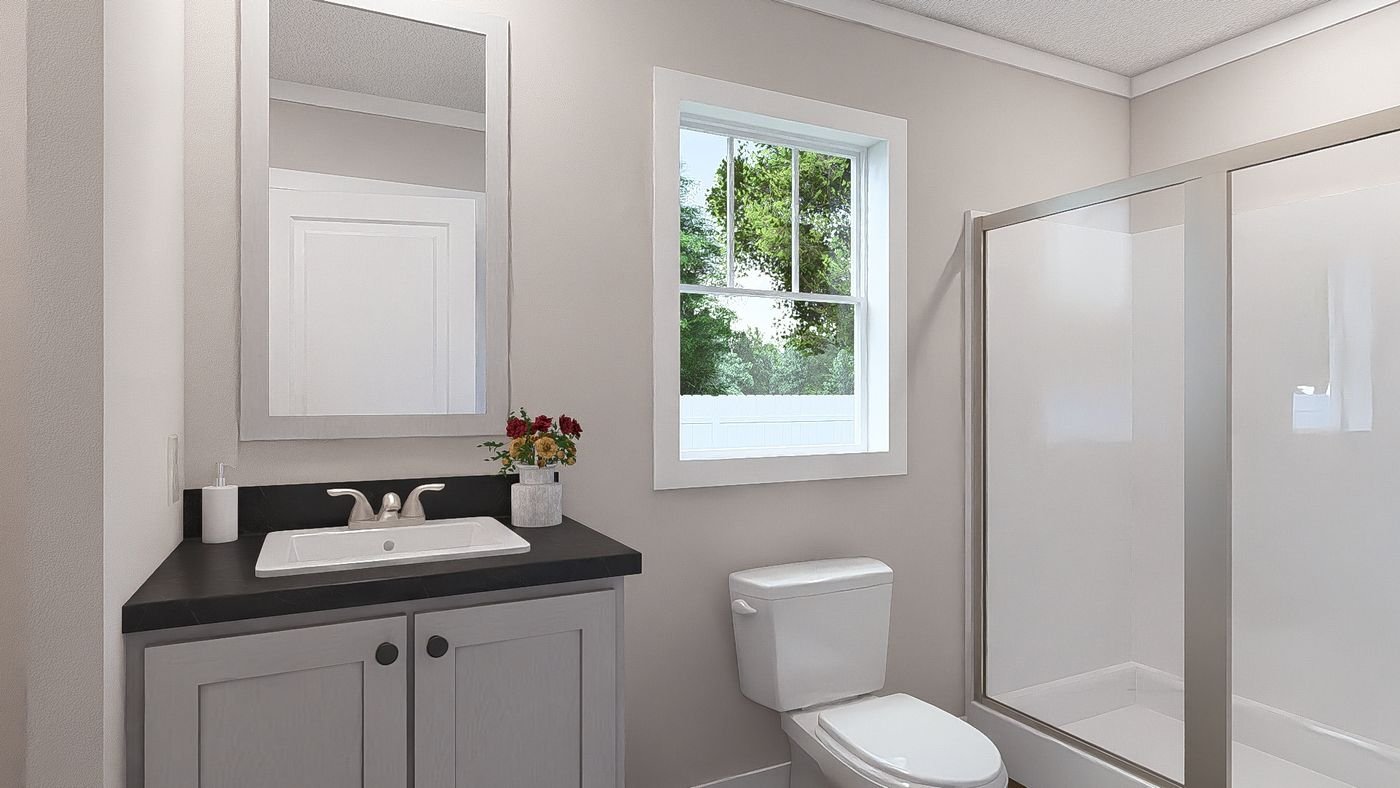
Across Vilas, Forest, Lincoln and neighboring counties, the housing problem was already visible: older inventory, high site costs and too few practical ownership choices.
Read the story →